
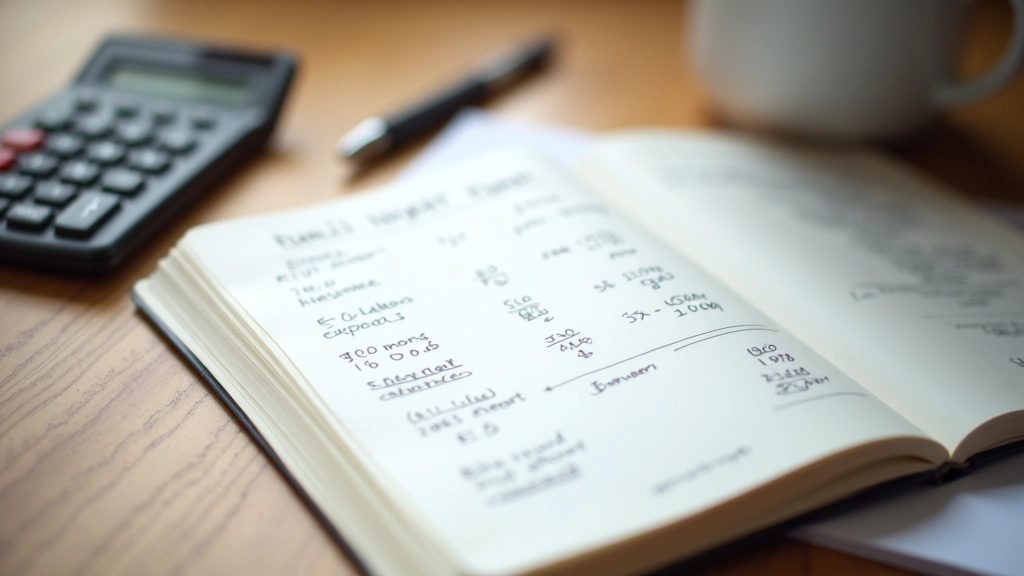
The Three-to-Six Month Rule Explained
Understanding why financial experts recommend keeping three to six months of living expenses saved and how to calculate your personal number.
Read MoreLearn how to create a solid financial safety net with practical guides on savings accounts, fixed deposits, and PIDM protection
An emergency fund isn’t just a nice-to-have — it’s your financial cushion when unexpected expenses hit. Whether it’s a job loss, medical emergency, or urgent home repair, having three to six months of expenses set aside means you won’t scramble for money when you need it most.
We’ve compiled educational resources to help you understand the different ways to build and protect your emergency savings, from high-yield savings accounts to fixed deposit laddering strategies and PIDM deposit insurance coverage.
Guides and resources to help you understand emergency fund basics
Understanding why financial experts recommend keeping three to six months of living expenses saved and how to calculate your personal number.
Read More
Compare interest rates and features of different savings account types available to Malaysians. We’ll show you what to look for when comparing options.
Read More
Learn how laddering fixed deposits helps you balance higher returns with regular access to your money. Perfect for emergency fund planning in Malaysia.
Read More
Understand how PIDM protects your deposits up to RM250,000 and why this matters for your emergency fund strategy in Malaysia.
Read MoreWhen unexpected expenses come up, you won’t need to turn to credit cards or loans. That’s huge for your financial health.
Knowing you’ve got money set aside for emergencies reduces financial stress. You can actually sleep at night.
You can’t focus on investing or saving for a house if you’re constantly worried about covering unexpected costs. Emergency fund comes first.
If you lose your job, having three to six months of expenses saved gives you time to find a new one without panic.
You don’t need a perfect plan to start. These steps will get you moving in the right direction.
Add up everything you spend in a month — rent, utilities, groceries, transport, subscriptions. That’s your baseline. Multiply by three or six to find your target emergency fund size.
Don’t mix emergency money with your regular spending account. Open a separate account — ideally one with better interest rates. This makes it psychologically easier to leave the money alone.
You don’t need to save the whole amount overnight. Even RM100-200 per month adds up. Set up an automatic transfer right after payday — you won’t miss money that moves automatically.
While building your fund, your money should earn interest. Research high-yield savings accounts or consider fixed deposits once you’ve reached a comfortable amount. Every bit of interest helps.